Get Driveway Gravel Installation
Driveway gravel installation services help property owners create durable, level driveways and pathways, solving drainage and surface stability issues with the help of experienced local contractors.
If you’re considering driveway gravel installation, you’ve come to the right place to start exploring your options. Property owners in the area often look into gravel pathways for their practicality, affordability, and ease of maintenance. Whether updating an existing driveway or creating a new one, understanding the benefits and planning ahead can help ensure the project meets your needs.
Comparing local contractors who specialize in driveway gravel services can provide valuable insights into different approaches and solutions. Many property owners find it helpful to review available options and connect with experienced service providers to find the best fit for their specific project. Keep reading to discover how local experts can assist with your driveway gravel installation needs.
- Driveway Gravel Installation - when homeowners want to create a durable and affordable driveway surface.
- Gravel Resurfacing Services - to update or repair an existing gravel driveway that has become uneven or worn.
- Custom Gravel Driveway Design - for property owners seeking a tailored layout that complements their landscape.
- Drainage Gravel Solutions - to improve water runoff and prevent erosion on sloped or poorly drained driveways.
- Driveway Expansion with Gravel - when expanding an existing driveway to accommodate additional vehicles or access points.
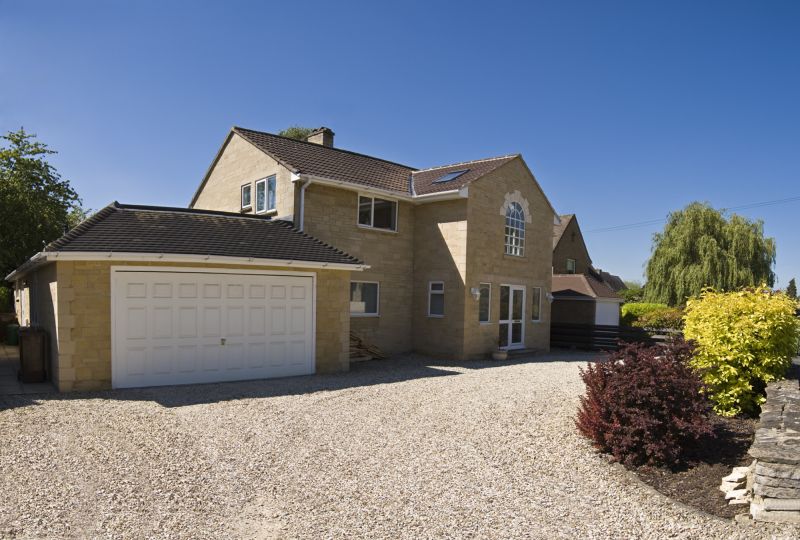
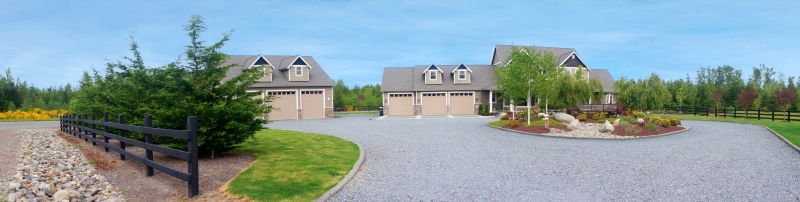
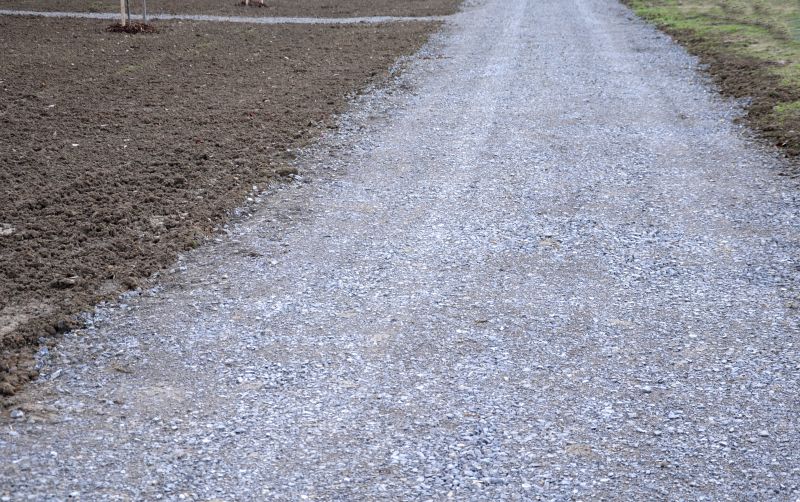
Driveway gravel installation involves preparing the existing driveway surface and adding a layer of gravel to create a durable, functional, and visually appealing entrance. The process typically includes clearing the area, leveling the ground, and spreading the gravel evenly to ensure proper drainage and stability. This service is ideal for homeowners seeking a cost-effective alternative to paved driveways or those looking to upgrade an existing gravel surface for better longevity and appearance. Local contractors can customize the gravel type and thickness to meet specific needs, ensuring the driveway withstands regular use and harsh weather conditions.
One of the primary problems driveway gravel installation helps solve is erosion and drainage issues. Gravel surfaces allow water to flow through easily, reducing puddling and preventing the formation of ruts or potholes that often occur with other materials. It also provides a stable surface that minimizes dust and mud, which can be common problems with unpaved or poorly maintained driveways. Additionally, gravel driveways are easier to repair and maintain compared to asphalt or concrete, making them a practical choice for homeowners who want a low-maintenance solution that can be refreshed with simple replenishment of gravel.
Driveway gravel installation is suitable for a variety of property types. Rural homes, farms, and properties with large lots often use gravel driveways because they are cost-effective and simple to install. Urban and suburban residences may also opt for gravel if they prefer a more natural look or need a temporary or secondary driveway surface. Commercial properties, such as small business parking areas or service entrances, sometimes utilize gravel for its quick installation and ease of access. Regardless of property size or style, local service providers can tailor the installation to match the specific requirements and aesthetic preferences of each site.
Homeowners who are considering a driveway upgrade or need a practical surface for parking and access may find driveway gravel installation to be a suitable solution. It’s especially useful when existing surfaces are damaged or uneven, or when a new driveway is required on a budget. By working with local contractors, property owners can ensure the installation is performed correctly and efficiently, resulting in a driveway that enhances the property's functionality and curb appeal. Contacting experienced service providers can help determine the best gravel type and installation approach for each unique property.
The overview below groups typical Driveway Gravel Installation projects into broad ranges so you can see how smaller, mid-sized, and larger jobs often compare in your area.
In many markets, a large share of routine jobs stays in the lower and middle ranges, while only a smaller percentage of projects moves into the highest bands when the work is more complex or site conditions are harder than average.
Smaller Repairs - Typical costs for minor driveway gravel repairs or patching range from $250-$600. Many routine projects fall within this range, depending on the extent of the work and material choices.
Basic Installation - Installing a new gravel driveway or replacing an existing one usually costs between $1,200 and $3,000. Most standard projects are priced in this band, with larger or more complex jobs reaching higher amounts.
Full Replacement - Complete driveway overhauls or extensive gravel installation projects can range from $3,500 to $7,000 or more. These larger projects are less common but are handled by local contractors for more involved work.
Custom or Large-Scale Projects - Very large or customized driveway installations, including extensive grading or decorative features, can exceed $10,000. Such projects are less typical and are handled by specialized service providers.
Actual totals will depend on details like access to the work area, the scope of the project, and the materials selected, so use these as general starting points rather than exact figures.
Patio and Walkway Installation - these projects require similar skills in site preparation, grading, and the use of gravel and base materials to create durable outdoor surfaces.
Landscape Drainage Solutions - installing effective drainage involves planning, excavation, and gravel placement, aligning with the techniques used in driveway gravel installation.
Garage Floor Gravel Pad Construction - building gravel pads for garages demands similar site prep, leveling, and gravel compaction skills as driveway projects.
Outdoor Fire Pit and Seating Area Setup - creating functional outdoor features often involves grading, gravel layering, and precise planning comparable to driveway work.
Erosion Control and Slope Stabilization - these projects require expertise in grading, gravel reinforcement, and planning to prevent soil erosion on uneven terrains.
Parking Lot Gravel Resurfacing - resurfacing large gravel parking areas involves similar surface preparation, grading, and material placement techniques used in driveway gravel installation.
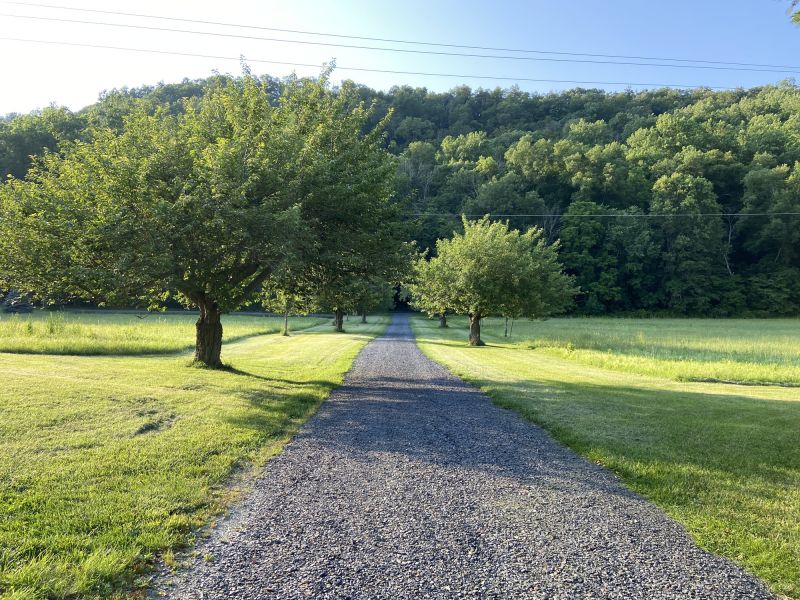
When comparing local contractors for driveway gravel installation, it’s important to consider their experience with similar projects. Homeowners should look for service providers who have a proven track record of completing driveway gravel work in settings comparable to their own. This can help ensure that the contractor understands the nuances involved, such as site preparation, proper gravel layering, and drainage considerations. Reviewing the types of projects a contractor has handled can provide insight into their familiarity with driveway installation and their ability to meet specific needs.
Clear, written expectations are essential when evaluating local service providers. Homeowners should seek detailed proposals or estimates that outline the scope of work, materials to be used, and any specific responsibilities of the contractor. Having this information in writing helps prevent misunderstandings and ensures everyone is aligned on the project’s goals. It’s also beneficial to ask how the contractor plans to handle potential challenges or changes during the project, fostering transparency and clarity from the outset.
Reputable references and good communication are vital factors in selecting a reliable contractor. Homeowners can ask for references from previous clients who have had similar work done and follow up to learn about their experiences. Consistent, clear communication during the inquiry process can also reveal how responsive and professional a service provider is, which often correlates with the overall quality of the work. It’s worth noting that this site introduces homeowners to local options for driveway gravel installation, but the actual work is performed by trusted local contractors, making it easier to compare and connect with the right professionals for the project.
Property owners use Driveway Gravel Installation services for practical projects around their homes and businesses. This guide focuses on everyday jobs and straightforward project options.
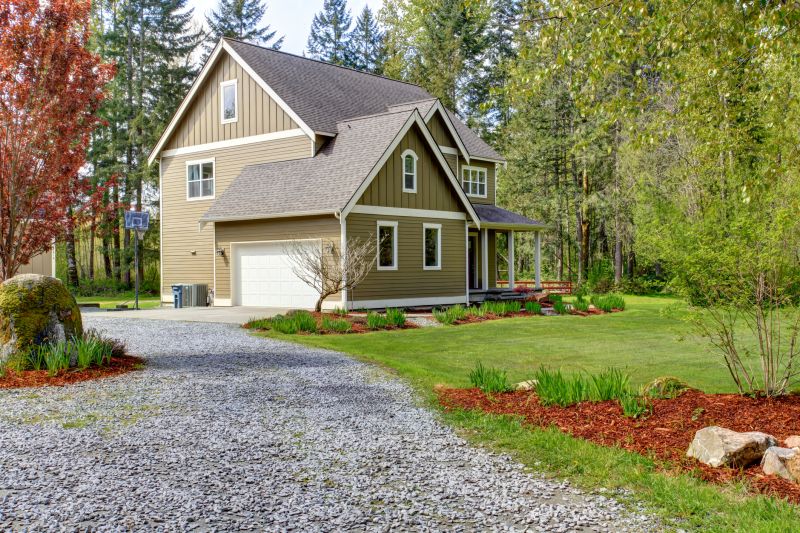
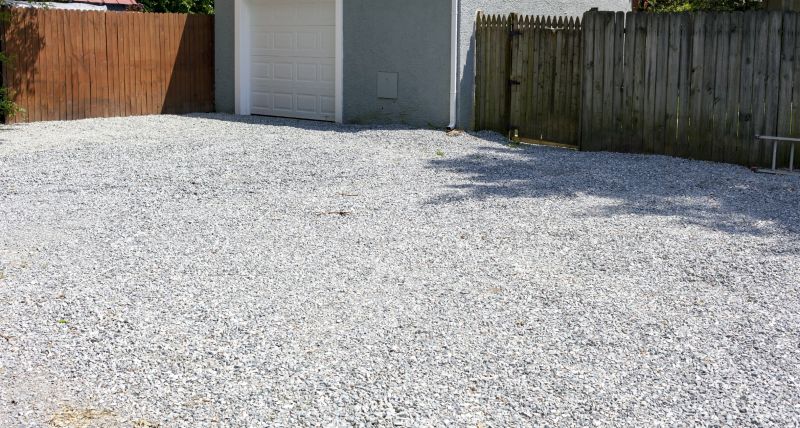
Driveway gravel installation is a common project for property owners looking to improve accessibility and curb appeal. Homeowners may seek this service when replacing worn-out or damaged surfaces, creating a more affordable alternative to paving, or simply enhancing their property's overall appearance. Local contractors are often called upon to prepare the area, select the right type of gravel, and ensure proper installation for stability and longevity.
Many property owners consider driveway gravel installation to address practical needs such as managing drainage or reducing maintenance compared to other materials. Whether building a new driveway or upgrading an existing one, local service providers can handle the job efficiently, helping homeowners achieve a durable and functional surface. Connecting with experienced contractors ensures the project meets individual preferences and property requirements.
What are the benefits of installing driveway gravel? Installing driveway gravel can improve drainage, reduce surface runoff, and provide a cost-effective, low-maintenance surface for driveways.
How do local contractors prepare the site for gravel installation? Contractors typically clear the area, level the ground, and may add a base layer to ensure stability and proper drainage.
What types of gravel are commonly used for driveway installations? Common gravel options include crushed stone, pea gravel, and larger stone aggregates, each offering different appearance and durability qualities.
Can driveway gravel installation be combined with other surfacing options? Yes, gravel can be used as a standalone surface or as part of a layered driveway system with other materials like asphalt or concrete.
How do local service providers ensure proper gravel compaction? They typically use specialized equipment to compact the gravel, ensuring a stable and long-lasting driveway surface.
Driveway Expansion - Adding gravel to extend or widen a driveway provides a durable surface for parking and vehicle access. Local contractors can help create a stable base for increased traffic and vehicle weight.
Pathway Creation - Installing gravel pathways around a property offers a practical and low-maintenance solution for garden or yard walkways. Service providers can design and install a functional route to enhance outdoor accessibility.
Driveway Repair - Replacing or topping existing gravel driveways can improve appearance and functionality after settling or erosion. Local pros can restore a smooth, even surface suitable for daily use.
Drainage Improvement - Gravel installations can help manage water runoff and prevent pooling in driveways or walkways. Contractors can incorporate gravel to enhance drainage and protect property foundations.
If you are thinking about Driveway Gravel Installation for a property, this guide is meant to help you understand the work, the typical project types, and how different options might fit your plans.
When you are ready, you can use the quote form on this page to share a few details about your project. From there, local pros can review the basics and respond with options that match what you have in mind.